It is one of the first questions people ask before booking, and a fair one: if you are investing in your brows, you want to know how long they will stay looking good. The honest answer is that microblading usually lasts one to three years before it has faded enough that you will want to refresh it. Where you land in that range depends far more on your skin and habits than on luck.
This guide covers why microblading fades, what speeds it up, the two appointments that keep your brows looking their best, and what you can do to stretch the time between them.
Is microblading permanent?
Not in the way a body tattoo is. Microblading is a form of permanent makeup, but the pigment sits in the upper layers of the skin, and the strokes are fine. As your skin renews itself over the months, the color gradually softens and lightens. That is by design: brows that fade gently can be adjusted as your face, your hair color and your style change, rather than locking you into one look forever.
So think of microblading as long lasting rather than permanent. You are not booking it once for life. You are booking a result that lasts years, with a short refresh appointment when it starts to lighten.
How long microblading lasts, by technique
- Microblading: typically one to three years before it fades enough to want refreshing.
- Ombre brows: usually two to three years, generally longer than microblading on the same client, because soft machine shading holds better than fine strokes.
- Combination brows: in between. The shaded body and tail hold up like ombre, while the hair strokes at the front soften a little sooner.
Not sure which technique is right for you? Our guide to microblading vs ombre vs combination brows compares all three.
What makes microblading fade faster
Oily skin
This is the biggest factor. On oily skin, or skin with large pores, fine strokes tend to spread and soften, sometimes within months. It is why we often recommend ombre or combination brows for oily skin: shading keeps its edge far longer than strokes alone.
Skincare with acids or retinol
Retinol, glycolic acid, lactic acid, AHAs and other exfoliating products speed up how fast your skin renews, and the pigment goes with it. Chemical peels, microdermabrasion and exfoliants used over the brows can lighten the pigment too. You do not have to give up your skincare, just keep active products away from your brows.
Sun
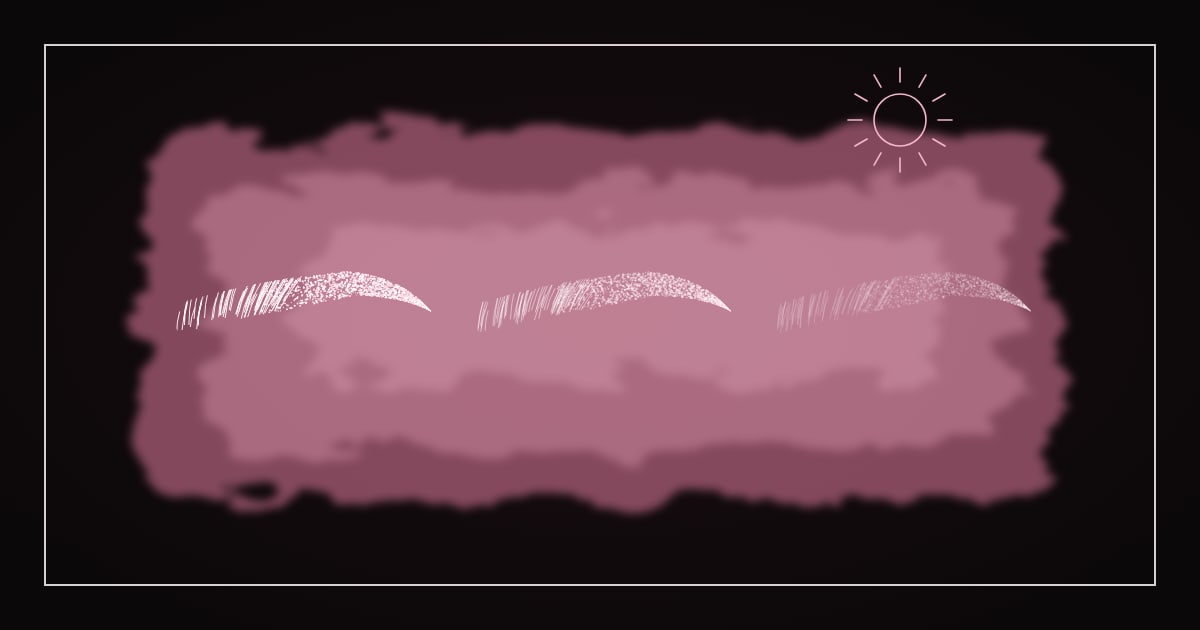
Sun exposure causes fading and can shift the color over time. In Northern Nevada, where most people spend a lot of time outdoors, this one matters. Once your brows are fully healed, SPF 50 or higher on the brows, plus a hat and large sunglasses when you can, makes a real difference.
Laser treatments
Laser resurfacing and laser hair removal near the brows can darken, lighten or discolor the pigment. If you are having laser work after your brows have healed, tell your laser technician first.
Chlorine
Regular swimmers should rinse and dry the brow area well after the pool. Chlorine is hard on pigment over time.
The two appointments that keep brows looking right
The touch up at six to eight weeks
No permanent makeup appointment is finished after one visit. Skin holds pigment unevenly: some strokes take fully, some lose part of their color, and a few fade almost completely as they heal. The Brow Touch Up is where that is corrected. Gaps are filled, density is evened out, and the shape is refined now that it can be judged healed rather than fresh.
It is booked six to eight weeks after your first appointment and is a separate $150 appointment, so budget $700 for a complete new set of brows. Timing matters: sooner, and the skin has not finished healing; much past twelve weeks, and it becomes a bigger job priced as a color boost instead.
The color boost every twelve to eighteen months
Once your brows are fully healed, they will slowly lighten. When the shape still suits you but the color has faded, a Brow Color Boost puts it back. It is a full pass over the existing work for $250, and it also rebalances the undertone, because pigment does not just fade, it can drift warmer or cooler over time.
Most clients settle into one boost every twelve to eighteen months. That stretches if you are careful with SPF and skincare, and shortens if you are outdoors constantly or have oily skin.
How to make microblading last longer
- Follow the aftercare exactly. The first two weeks decide how much pigment your skin keeps. Keep the brows dry, do not pick the flakes, and use the balm as directed. Our day by day healing guide walks you through it.
- Wear sunscreen on your brows. SPF 50 or higher once healed, every day you are outside.
- Keep actives away from your brows. Retinol, acids and exfoliants go everywhere else on your face, just not over the brows.
- Book your touch up on time. Six to eight weeks after your first appointment, not before and not much later.
- Refresh before they disappear. A color boost on brows that still hold their shape is a quicker, simpler appointment than starting over.
What if my brows faded strangely?
Sometimes old brow work does not just get lighter. It heals gray, blue or orange, or the shape stops suiting you. That is a correction, not a boost, and it needs to be seen in person before anything is added. Book a consultation ($50, credited toward any service you book on the day), and if the old pigment is too dark or in the wrong place, saline removal can lighten it first. This applies to brows done by another artist too.
The bottom line
Microblading lasts one to three years for most people, ombre brows a little longer, and both can be kept looking fresh with a touch up at six to eight weeks and a color boost every twelve to eighteen months. The single best thing you can do for longevity is choose the right technique for your skin in the first place.
When you are ready, book your appointment online, and read our pre-care and aftercare guide before you come in.